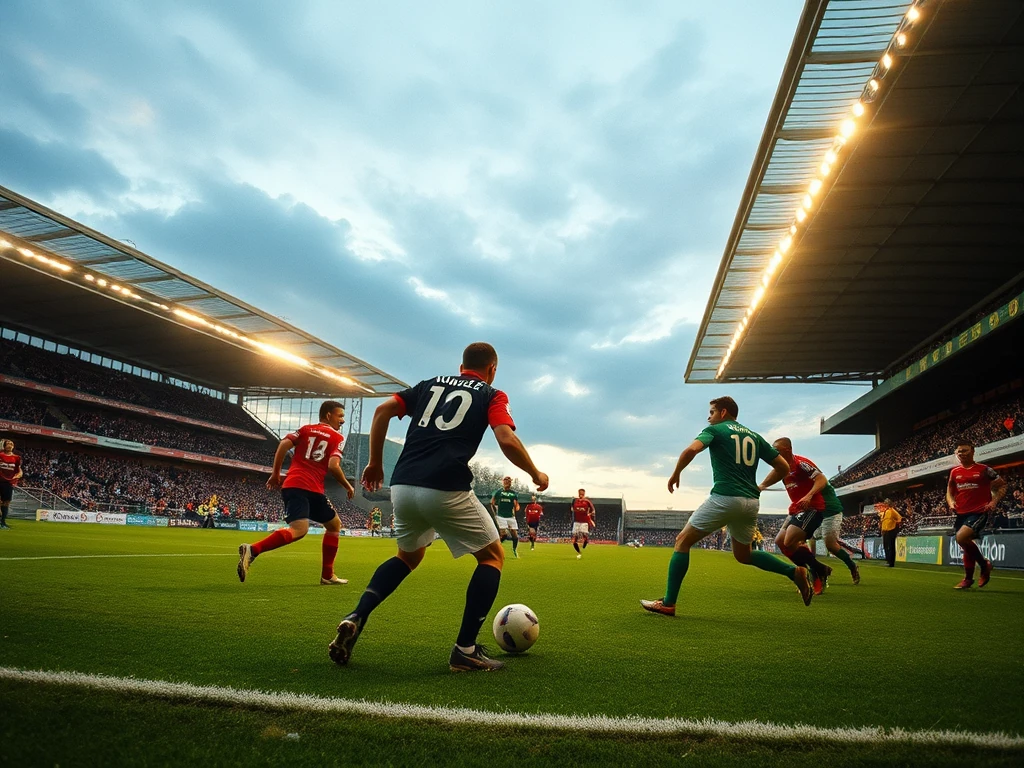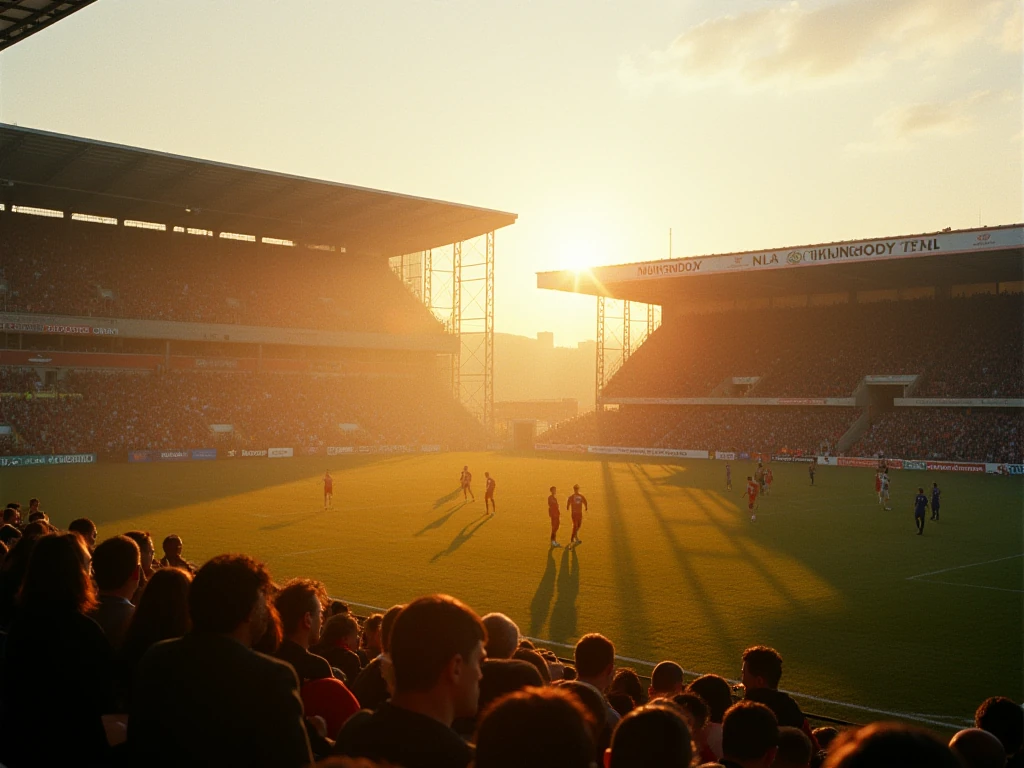
The atmosphere around Turner's Cross, as always, remains unwavering, but even the most ardent Rebel Army faithful can sense a need for tactical refinement in our recent outings. While commitment and passion are never in question, the beautiful game often boils down to subtle on-pitch dynamics, and it’s time to unpick some of the threads that define our current play.
Looking closely at our recent displays, one clear observation is a tendency for gaps to appear in our central midfield when pressing. While our lads work tirelessly to win the ball high, this can sometimes leave our back four exposed to quick, incisive passes through the middle. Opponents have capitalized on this space, finding channels to exploit before our defence can fully re-organise. Furthermore, our full-backs, while eager to contribute to attacks, have occasionally been caught high up the pitch, leaving swathes of space in behind that have been targeted by quick counter-attacks down the flanks. This can put undue pressure on our centre-halves and goalkeeper, forcing them into reactive rather than proactive defending.
On the offensive side, we’ve seen moments of brilliance, but consistency in breaking down stubborn defences has been a challenge. Our build-up play, at times, can appear a touch too slow, allowing well-drilled opponents to drop into a compact shape and deny us space in dangerous areas. We often rely heavily on wide play and crosses, which can become predictable, especially when our central striker finds himself isolated without sufficient support runs from midfield or from the opposite flank. There’s a craving for more incisive, direct attacking thrusts that exploit transitional moments, rather than always having to build from deep against an already set defence.
So, what are the potential tweaks to address these observations? Firstly, a re-calibration of our central midfield structure could pay dividends. A slight shift, perhaps designating one holding player to shield the defence more consistently, could provide crucial balance. This would free up the other two midfielders to press higher or join attacks with more confidence, knowing the defensive anchor is in place. Such an adjustment could also improve our ability to win second balls in the engine room, turning defensive situations into quick attacking transitions.
Secondly, to enhance our attacking impetus, we could focus on greater variety in the final third. Encouraging more central combination play - quick one-twos and intelligent runs from deeper midfield into the box - would make us less predictable. Our wide players could be encouraged to make more inverted runs, creating overloads centrally and drawing defenders out of position, opening up space for overlapping full-backs. Quicker transitions from defence to attack are also key; bypassing the midfield with a swift, vertical pass immediately after winning possession can catch opponents out of shape and create high-percentage scoring opportunities.
Finally, defensively, a more disciplined approach to full-back positioning could be beneficial. When one full-back commits high, the other should be encouraged to stay deeper, creating a staggered defensive line to mitigate counter-attack risks. Implementing clearer pressing triggers - knowing precisely when to engage a high press and when to drop into a mid-block - would conserve energy and maintain a more compact shape. This tactical flexibility, adapting our defensive stance based on the opponent and game situation, would make us a tougher nut to crack. The Rebel Army's spirit is always there, and with these tactical refinements, we can truly unleash our full potential on the pitch.