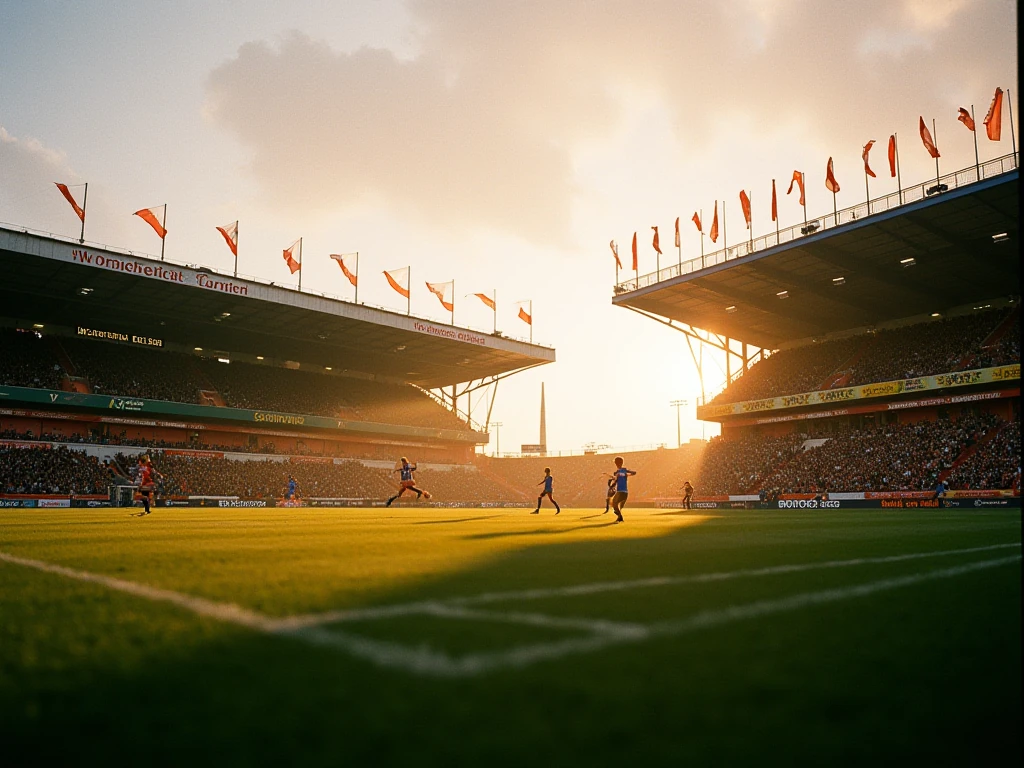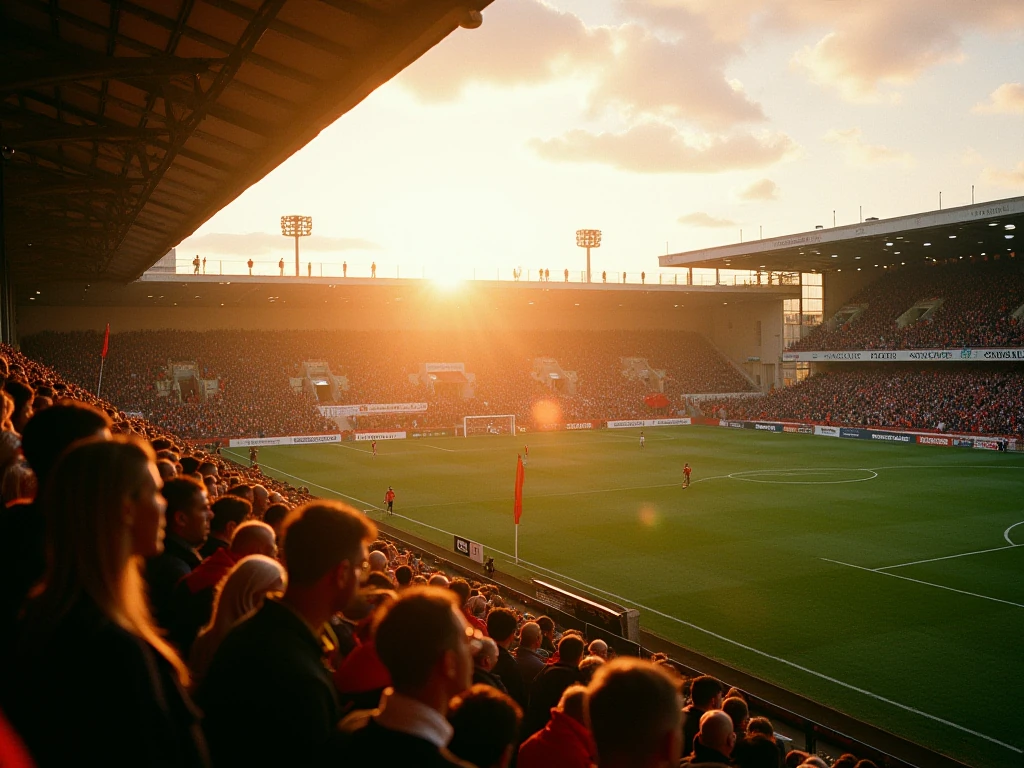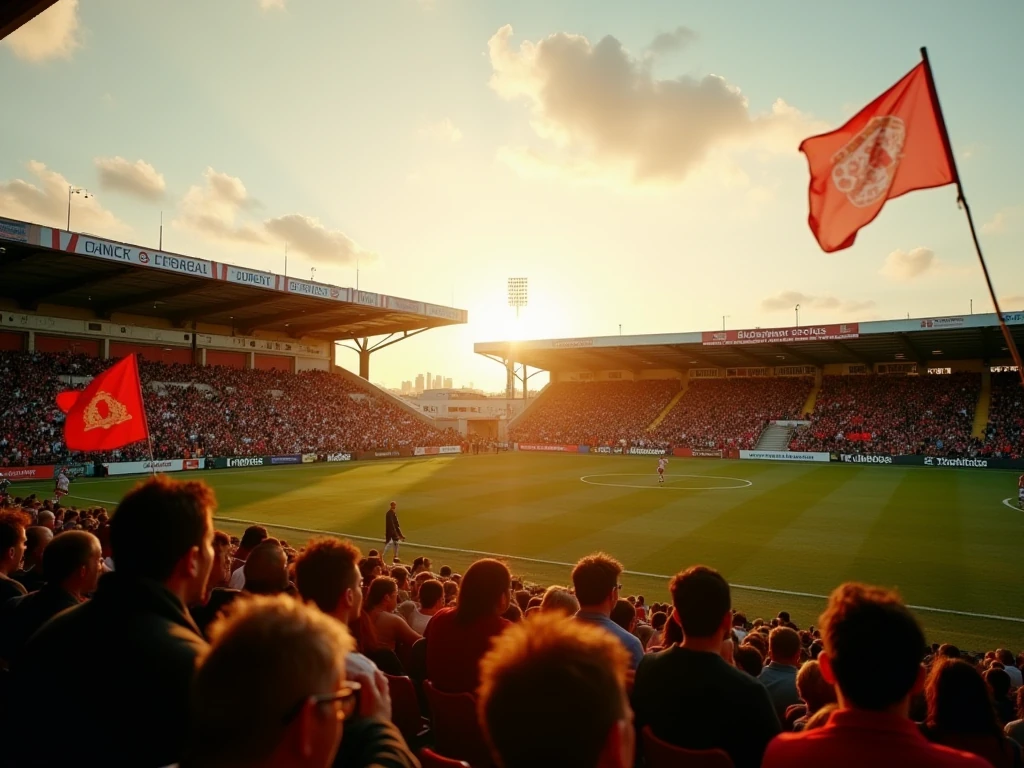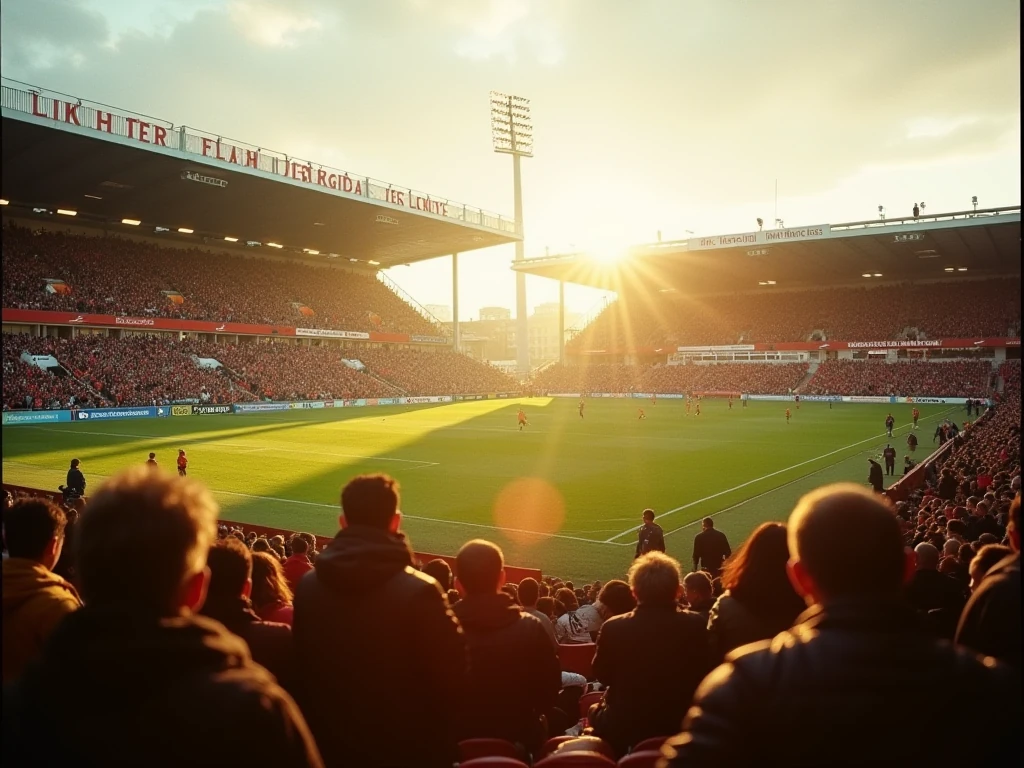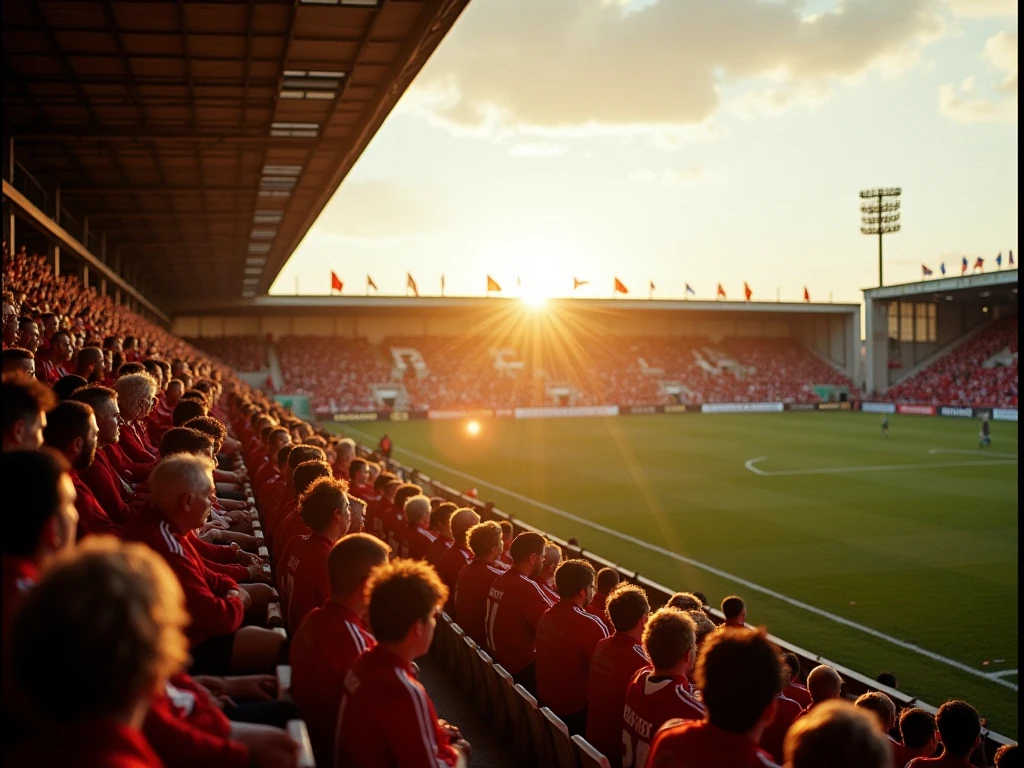
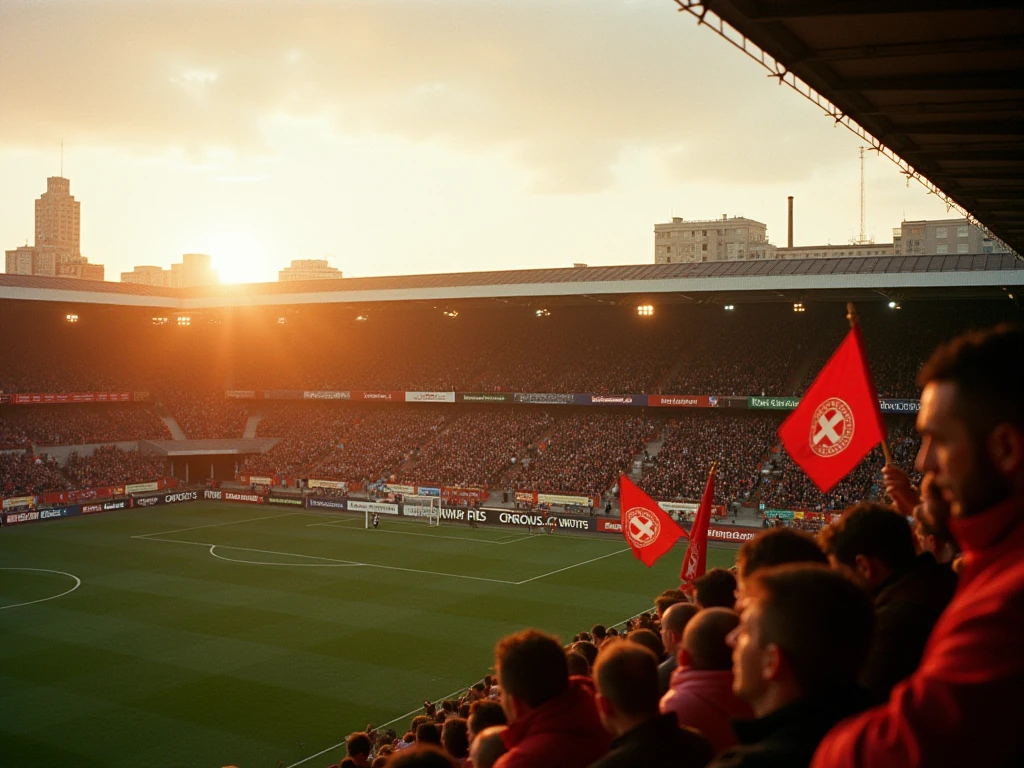
The pulse of Cork City Football Club beats strongest at Turner's Cross, a hallowed ground woven into the fabric of Leeside life. As our city grows and evolves, so too must our understanding of how these changes ripple through the very heart of the Rebel Army. A recent proposal from Cork City Council, seeking to significantly increase land zoned for residential development, presents both exciting opportunities and critical challenges for the club and its dedicated faithful.
Cork City Council has unveiled a proposed variation to the Cork City Development Plan, a document that effectively blueprints the future growth and infrastructure of our beloved city. At its core, this variation aims to rezone substantial tracts of land, earmarking them specifically for residential use. In plain terms, the council is planning for more homes, more families, and a denser urban landscape across Cork. While seemingly a dry administrative matter, far removed from the roar of the Shed End or the tactical battles on the pitch, this reclassification of land holds profound, albeit indirect, implications for Cork City FC. As the population swells, the demand on existing infrastructure, public services, and even the very spaces that define our community, including those vital to local sports, will inevitably intensify. Understanding this city-wide evolution is crucial for any fan who cares about the long-term health and prosperity of our club.
One of the most immediate and tangible impacts of increased residential zoning will undoubtedly be felt on matchdays. Imagine an even larger influx of people converging on Turner's Cross, potentially from newly developed areas. This could place immense strain on existing transport links, parking facilities, and the general flow of traffic around the stadium precinct. Already, navigating the approach to a big game can be a challenge, but with hundreds, if not thousands, of new residents in the vicinity, the logistics could become a formidable hurdle. The club and city planners must proactively address how fans will access our fortress, ensuring that the journey to and from games remains smooth and enjoyable, rather than a frustrating ordeal. Furthermore, this urban densification raises questions about the availability of vital green spaces; will new residential builds encroach upon or place pressure on local parks and recreational grounds that currently serve as informal training spots or community gathering points?
On a more optimistic note, a growing population presents an unparalleled opportunity for the Rebel Army to expand its passionate fan base. More families settling in Cork translates directly into a larger pool of potential supporters, future season ticket holders, and perhaps even the next generation of Cork City stars. Engaging with these new communities, making them feel welcome and integrated into the Leeside football culture, becomes a strategic imperative. The club must redouble its efforts in community outreach, local school programmes, and family-friendly initiatives to capture the hearts and minds of new arrivals. Turner's Cross is more than just a stadium; it’s a community hub, a place where generations gather. Ensuring that this welcoming spirit extends to new residents is paramount, transforming urban growth into growth for the Rebel Army.
This city development plan, therefore, demands a strategic, almost 'tactical' response from Cork City FC’s leadership. It's not just about what happens on the pitch, but how the club positions itself within a rapidly evolving urban landscape. 'Our club is deeply rooted in the heart of Cork, and as the city grows, so too must our vision for its future,' stated a hypothetical club spokesperson, eager to engage with city planners. 'We see this as a critical moment to advocate for infrastructure improvements that benefit our fans, to explore opportunities for enhanced facilities, and to ensure that the club remains a focal point for all Corkonians, old and new.' This could involve proactive dialogue with developers about community benefits, securing access to land for future academy expansion, or working with the council on sustainable transport solutions tailored for matchday crowds. The goal must be to ensure the club’s long-term sustainability and continued prominence in a dynamic city.
However, growth, if not managed carefully, can also threaten the very essence of what makes Turner's Cross so special. The authentic, passionate atmosphere, the camaraderie amongst the City faithful - these are priceless assets. As new residential developments spring up, there's a delicate balance to strike. We must guard against potential gentrification that could price out long-time residents or alter the character of the areas surrounding the ground. Maintaining affordable ticket pricing, preserving the accessibility of games for working-class families, and fostering a sense of shared ownership amongst all fans, regardless of how long they’ve called Cork home, is vital. The unique Leeside roar and the electric atmosphere on European nights are products of a deep-seated community connection, a bond we must actively protect and nurture amidst rapid urban transformation. The club’s identity is intrinsically linked to its community, and any development must reinforce, not erode, that bond.
Looking further ahead, the demographic shift brought about by increased residential zoning holds direct implications for our academy and the future pipeline of local talent. More children growing up in Cork means a larger base from which to scout and nurture the next generation of Rebel Army heroes. This opportunity, however, is contingent on the availability of quality, accessible sporting facilities - pitches, training grounds, and community centres where young footballers can hone their skills. The club must work with the council and local sports bodies to ensure that adequate provision is made for youth sport infrastructure in newly developed areas. Tapping into this expanded talent pool is crucial for the club's long-term sporting ambition, ensuring that Cork City FC remains a bastion for local lads dreaming of donning the famous jersey and playing under the Friday night lights at Turner's Cross.
Ultimately, Cork City Council's proposed development plan variation is far more than just a bureaucratic tweak; it's a blueprint for the future of our city, and by extension, the future of Cork City FC. As we embark on another season, with league aspirations and the dream of European nights firmly in our sights, the broader context of urban development reminds us that our club's success isn't solely defined by results on the pitch. It's also about its enduring connection to a vibrant, evolving Cork. The Rebel Army's journey continues, and its destiny is inextricably linked to the city it proudly represents. It is imperative that we, the loyal City faithful, stay informed and ensure our voices are heard, championing a future where our club thrives as the beating heart of a flourishing Leeside community.