Analyzing Cork City's Recent Form
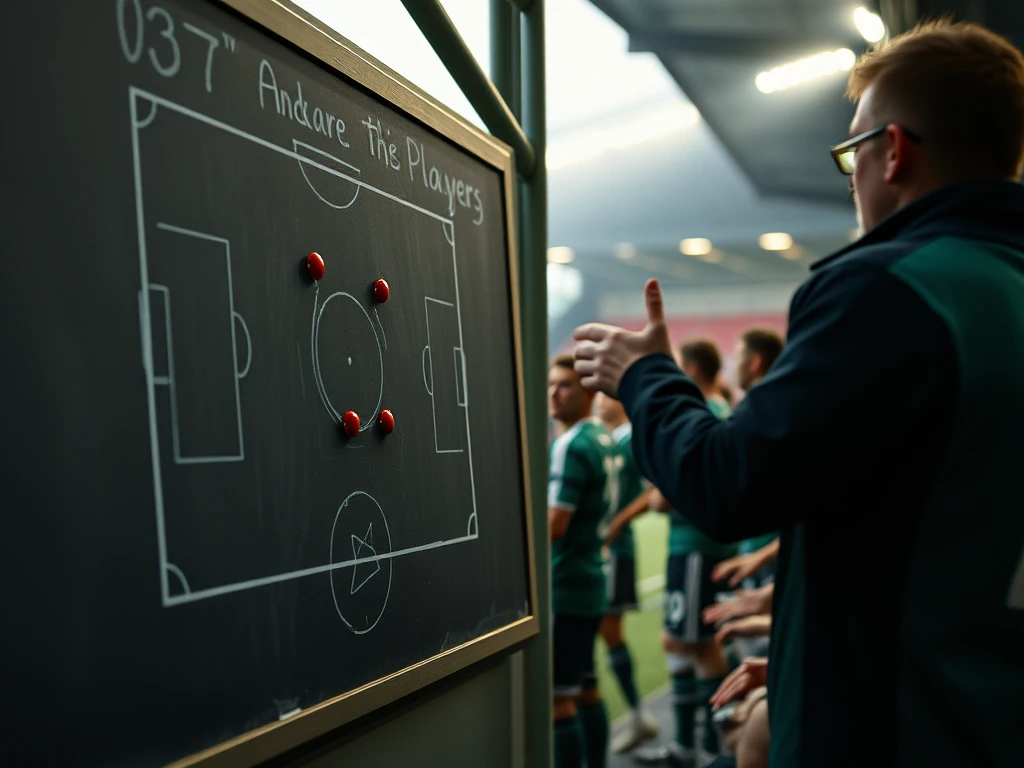
Cork City has had a mixed bag of results in the League of Ireland Premier, with flashes of promise tempered by inconsistent performances. While the team has shown resilience, particularly in their midfield battles, the tactical framework employed has not always capitalized on the strengths of the squad. To improve, it’s essential to delve into both the strengths and weaknesses observed in their recent outings.
Weaknesses in Defensive Cohesion
One of the prominent issues facing Cork City has been defensive lapses, particularly during transitions. While the backline, led by D. Crowley, has the ability to handle direct attacks, they sometimes struggle against teams that utilize quick, agile forwards. This can lead to disorganization, especially when the team is pushed back into a low block-an area that needs addressing. Tightening the communication and implementing a more cohesive pressing strategy could be beneficial, allowing defenders to work in tandem and minimize gaps.
Midfield Dynamics: A Need for Fluidity
In midfield, while G. Bolger has been a linchpin, there have been moments when the midfield trio has lacked fluidity. Cork City’s midfield needs to become more dynamic, especially in their transitions from defense to attack. Introducing a more rotational midfield strategy could help; allowing players to interchange positions can create confusion for opposing defenses and open up space for wingers like C. Drinan and J. Fitzpatrick to exploit. Considering a box-to-box role for Bolger might also add an extra layer of attack, as he has the stamina and vision to contribute offensively while still tracking back defensively.
Strategic Tweaks in Attack
Cork City's attacking setup has often relied on individual brilliance rather than a cohesive unit strategy. While the talent is certainly present, a more structured approach could yield better results. One potential tweak could involve employing a false nine system, allowing Drinan to drop deeper and pull defenders out of position, creating space for onrushing midfielders to challenge the goal. This approach would also allow for greater fluidity and adaptability against teams that set up to counter Cork’s traditional style.
Emphasizing Set-Piece Tactics
Set-pieces have not been a significant threat for Cork City thus far, yet they can be a game-changer in tight encounters. With players like Crowley and J. Fitzpatrick possessing aerial prowess, it would be wise to enhance training sessions focused on attacking and defending set-pieces. By developing varied routines and strategies, City could turn these situations into a regular source of goals while also ensuring they remain solid defensively when facing similar threats from opponents.
Building Match Fitness and Cohesion
Finally, as the season progresses, ensuring that players maintain match fitness and cohesion is vital. With a busy schedule, managing player workloads through rotation while maintaining a consistent tactical approach will keep the squad fresh and competitive. Regularly reviewing performance data and encouraging open communication among players will foster a better understanding of roles and responsibilities, leading to improved team synergy on the pitch.
Conclusion
Cork City has the necessary components to thrive in the League of Ireland Premier, but it requires a commitment to tactical refinement. By addressing defensive cohesion, enhancing midfield dynamics, restructuring the attack, focusing on set-pieces, and ensuring player fitness, Cork City can elevate their performances and solidify their position in the league. The upcoming fixtures present a perfect opportunity to implement these adjustments and strive for greater success.